
Whoa! I opened Phantom for the first time and my jaw dropped. The UI felt clean and fast. My instinct said: this might actually stick. Initially I thought browser wallets were all the same, but then Phantom proved me wrong in small, satisfying ways.
Okay, so check this out—Phantom is built specifically for Solana, which means it feels native and snappy. The extension installs in seconds and the onboarding is refreshingly simple. You get a seed phrase, a password, and the option to connect hardware wallets later on (which is great if you care about security). I’m biased, sure, but user experience matters to me more than flashy features; Phantom focuses on the basics and does them very very well.
Really? Yes. The NFT flow is obvious and friendly. Wallets that fumble NFT previews are a pet peeve of mine. Phantom shows images, metadata, and lets you manage collections without hunting through menus. On one hand that sounds minor—though actually it changes how casual collectors interact and buy, because impressions matter when you’re scrolling.
Here’s the thing. Phantom’s token swaps are surprisingly competent for an extension. Slippage controls, price impact warnings, and routing through Serum or Raydium are tucked into the UI without making it cluttered. I had a few trades that executed faster than I expected, and that reliability matters when prices move quickly. My experience isn’t exhaustive, but it was enough to shift my trust meter upward.
Hmm… security is the sticking point for most people. Phantom stores keys locally by default and supports hardware wallets, which is the right balance for many users. Initially I worried about browser extensions—actually, wait—let me rephrase that: browser extensions can be risky, but Phantom’s model minimizes risk if you follow basic hygiene. On the other hand, no wallet is a perfect shield; you still need to avoid phishing sites and shady dApps.
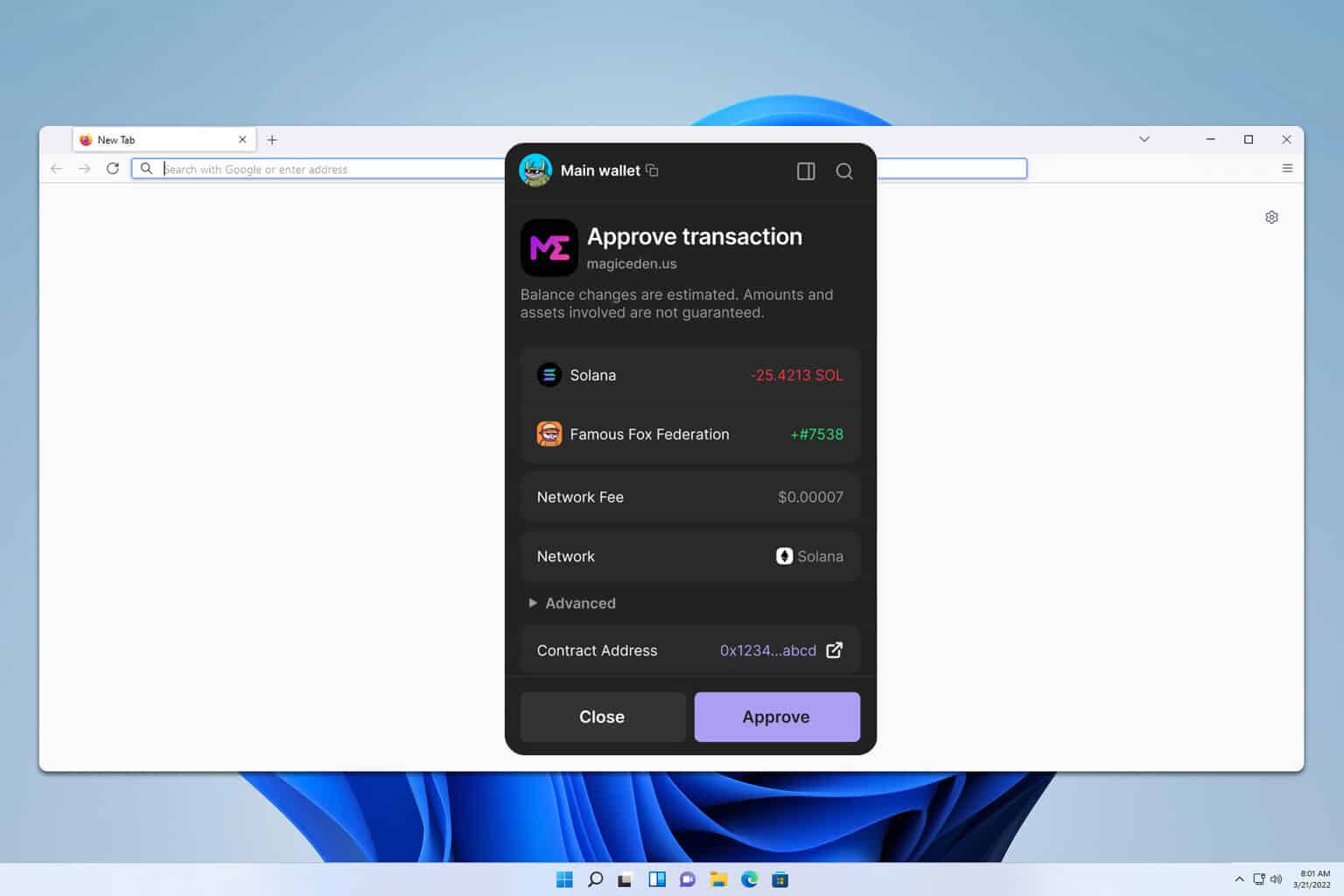
I’ll be honest: the in-extension NFT gallery is what sold me. Scrolling through pieces is satisfying and quick. That first NFT I bought through Phantom had a clean transaction flow and clear gas estimates (or, rather, fee estimates since Solana fees are tiny). Something felt off about other wallets that make you hop between tabs—Phantom keeps you in the flow. (oh, and by the way…) the mobile pairing is decent too.
My initial thought was that Phantom might be a niche tool for collectors only. But actually, wait—Phantom serves traders, builders, and developers with neat developer tooling and a good extension API. On one hand, it’s approachable for newbies; on the other, it offers enough power features for heavy users. The team behind it iterates quickly, and releases often include thoughtful UX improvements, not just feature bloat.
How Phantom handles NFTs and tokens — what stands out
Phantom surfaces NFT metadata and thumbnails, and you can view ownership history without leaving the wallet. For tokens, the UI summarizes balances clearly and hides complexity from users who don’t want to deal with decimals. My instinct said the UX team spent a lot of time on micro-interactions—small animations, copy that helps, confirmations that feel reassuring. Something I love: recurring confirmations prevent accidental sends but don’t slow you down if you’re sure. I’m not 100% sure how it scales for power users with many collections, though; that’s one area that could use refinement.
Seriously? The marketplace integrations are getting better. Phantom links to common marketplaces and dApp connections usually prompt a clear approval pop-up. Initially I thought approvals would be messy; instead, the prompts are explicit about what permissions a site is asking for. On the flip side, users still click through too fast sometimes—so education is still important.
My personal workflow now is straightforward—store main assets in a hardware-backed wallet, keep day-to-day NFTs and SPL tokens in Phantom for interactions, and use the extension for quick swaps when necessary. That split feels sane to me. It’s not perfect, I know that, but it reduces exposure while enabling the things I actually do every day. And that balance is hard to find.
Something bugs me about phantomization—no, seriously, that word made me laugh—but here’s a caution: because Phantom is popular, it’s a target for phishing. Be very careful with sites that mimic wallet connect flows. If a popup looks odd, close it. My instinct saved me once when a site asked for signature approval with weird copy; I canceled and checked the URL. You should too.
Want to try it? A quick recommendation
If you’re on Chrome or Brave and curious about the Solana ecosystem, give Phantom a spin. The install is painless and you can import or create a wallet in minutes. If you want to download, I recommend using the official source—grab the extension directly from the team’s distribution page here: phantom wallet. Do not copy seed phrases into random places. Seriously, don’t.
On growth and community: Phantom has a strong presence in Solana communities and frequent dev updates. They sponsor hackathons, and a lot of new dApps integrate Phantom first. That network effect makes the extension increasingly useful over time. My instinct says the momentum will keep building, though market cycles could change adoption patterns.
FAQ
Is Phantom safe for NFTs?
Phantom is as safe as your habits allow. It uses local key storage and supports hardware wallets. If you follow good practices—verify URLs, never share your seed phrase, use a hardware device for large holdings—Phantom is a solid choice for NFTs on Solana.
Can I use Phantom on mobile?
Yes, there are mobile options. You can pair the extension with Phantom’s mobile app for signing and viewing. The mobile UX is good for quick checks and light transactions, but I prefer the desktop extension for heavy NFT browsing or batch operations.
What if I lose my seed phrase?
That’s rough—really. Without your seed phrase or a backed-up recovery key, access is effectively lost. Phantom recommends secure backups and hardware wallet use for large balances. Consider splitting backups and storing them offline.